Neutron Detection System Deploys Through Strategic Sponsored Project
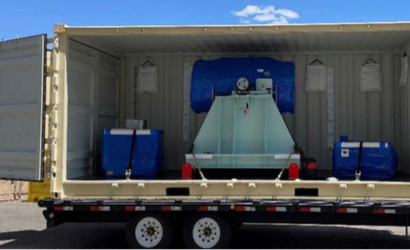
Neutron Detection System Deploys Through Strategic Sponsored Project
Los Alamos National Laboratory has completed the installation of a neutron detection system at Japan’s Mixed Oxide (J-MOX) fuel fabrication facility in Rokkasho through a Strategic Sponsored Project with Japan Nuclear Fuels Limited. The project earned the Laboratory’s 2025 Outstanding Partnership honor.
The Improved Plutonium Canister Assay System (IPCAS), developed and built at Los Alamos, is designed to measure the amount of plutonium in sealed canisters as material enters the facility. The measurements support J-MOX’s nuclear material accounting and control system, helping identify discrepancies that could indicate the theft or diversion of nuclear material.
The capability is an important part of international nuclear safeguards. J-MOX will produce mixed-oxide fuel by combining plutonium recovered from spent reactor fuel with uranium for use in Japan’s commercial nuclear power reactors. Because of the potential misuse of plutonium, the facility is subject to safeguards inspections by the International Atomic Energy Agency in cooperation with Japanese regulatory authorities under Japan’s obligations through the Nuclear Nonproliferation Treaty.
In June 2025, a Los Alamos technical team provided consultation during IPCAS installation. Post-installation testing confirmed that the system’s neutron detectors were operating correctly, with background readings within expected ranges. Testing also confirmed that the system’s moisture barrier was properly sealed based on low humidity readings inside the instrument.
The project brought together technical and logistical teams from Los Alamos and Japan and builds on a longstanding partnership between the organizations. The successful deployment demonstrates the Laboratory’s ability to deliver and support complex safeguards technologies in an international operating environment while strengthening systems designed to account for and protect nuclear materials.
Originally published in the 2025 Annual Report for Los Alamos National Laboratory’s Richard P. Feynman Center for Innovation.