CRADA Leads to Sale of Rare Pediatric Disease PRV
By: Michael Salgaller, National Cancer Institute (NIH Technology Transfer Community Newsletter)
Menkes disease is a rare, pediatric condition primarily affecting male infants. Genetic mutations cause abnormal regulation of copper, leading to nervous system disorders, developmental delays, and other systemic problems. Without intervention, death often occurs within three years.
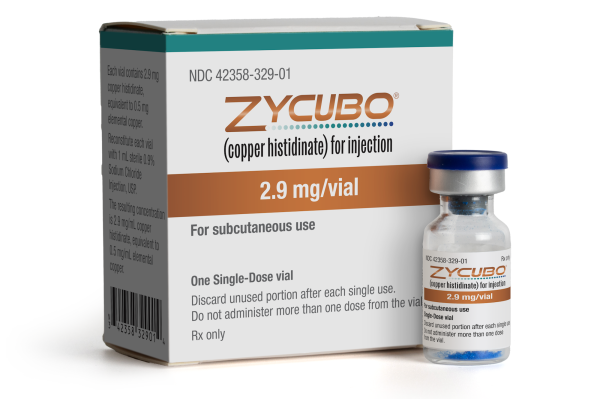
In February, Fortress Biotech and its majority-owned subsidiary, Cyprium Therapeutics, announced an agreement to sell its Rare Pediatric Disease Priority Review Voucher (PRV) for $205 million. The voucher was awarded following the Federal Drug Administration’s (FDA) approval in January of Zycubo®, to treat Menkes disease.
In 2017, the Eunice Kennedy Shriver National Institute of Child Health and Human Development (NICHD) and Cyprium entered into a Cooperative Research and Development Agreement (CRADA) to advance the clinical development of Phase 3 candidate CUTX-101 (Copper Histidinate injection) to treat Menkes disease. Further, NICHD and Cyprium executed a worldwide exclusive license agreement to develop and commercialize an adeno-associated virus (AAV)-based gene therapy to optimize delivery.
The CRADA authorized Cyprium to reference the Investigational New Drug application and any data originally held by NICHD. This agreement included the filing of a New Drug Application and commercialization in the U.S. and other territories. Cyprium was responsible for manufacturing Zycubo® to support registration trials at NICHD. The company also provided financial and logistical support for pre-clinical and clinical studies on Menkes disease and related copper metabolism disorders.
The Rare Pediatric Disease PRV program incentivizes the development and commercialization of treatments that would otherwise be ignored. For many rare pediatric diseases, the risk of failure is too high, clinical trial complexities too substantial, and potential market too small for companies to address.
Under this program, companies with FDA approval for a rare pediatric disease may qualify for a voucher to be redeemed for priority review of a different product. Transfer or sale of the voucher to another sponsor is also permitted. Priority review by the FDA substantially reduces the regulatory timeline to within six months instead of the standard 10 months. Thanks to NICHD, there is more hope for children and parents dealing with this devastating disease.
Click here to read the full NIH Technology Transfer Community Newsletter.