The Future of the FLC
Each year, FLC members* cast their votes for FLC Executive Board members and new policies that shape the strategy and direction of the organization, influencing the landscape of the federal tech transfer ecosystem. Learn more about FLC Elections here.
The voting period will be open April 10 – May 13, 2026. The following positions are open:
- Two (2) Member-at-Large positions
- Six (6) Regional positions, in the following:
- Far West Regional Coordinator
- Far West Deputy Regional Coordinator
- Mid-Atlantic Regional Coordinator
- Mid-Atlantic Deputy Regional Coordinator
- Midwest Regional Coordinator
- Midwest Deputy Regional Coordinator
*Please note that under 15 U.S.C. 3710(e)(2) and (3) and the FLC Bylaws Article VI, only Designated Agency Representatives and Laboratory Representatives may vote. If you have questions, please contact [email protected].
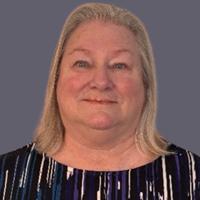 Sharon Conable serves as the Grants Manager and Technology Transfer (T2) Specialist for the Defense Health Agency (DHA) at Brooke Army Medical Center (BAMC), Joint Base San Antonio-Fort Sam Houston, Texas (JBSA-Fort Sam Houston). BAMC is the largest Department of Defense medical facility and the only Level 1 trauma center. With more than 12 years in this role, Sharon specializes in identifying and advertising funding opportunities, reviewing and securing institutional approvals for grant applications, and writing, negotiating, and processing technology transfer agreements for BAMC and other Military Treatment Facilities as needed.
She supports researchers with novel medical innovations through preparation and presentation to the DHA Medical Research and Development Invention and Evaluation Committee, participating in regular evaluations to assess patentability. Sharon also serves as BAMC liaison to collaborating foundations, universities, and industry partners and has represented BAMC on the Technology Transfer Panel at the AIM Health R&D Summit in San Antonio, Texas. Additionally, she helps organize and present at BAMC’s annual Clinical Investigation Regulatory Training Day.
Sharon holds a B.S. in Criminal Justice with a minor in Industrial Security and Business Administration. She is a member of the U.S. Army Medical Department Regiment, a graduate of the ORTA Foundation Course, and a recipient of the Army Certificate of Appreciation. Her professional service includes publishing the Grant Management Handbook for the Texas State Library and Archives Commission and serving as Commander of the Military Order of the World Wars (MOWW), San Antonio Chapter.
Sharon has supported the Annual MOWW Youth Leadership Conference by being both a Speaker and Organizer. She was a member of the Executive Women in Texas Government. Sharon was raised in a family with deep military roots. She was raised to believe that a meaningful life is one dedicated to service - values she has passed on to her children and grandchildren.
Statement of Goals
I would like to throw my hat into the ring for a Member-at-Large position at the Federal Laboratory Consortium (FLC).
I have been attending the National FLC meetings for the past few years as funding allowed and my attendance was permitted. The Keynote Speakers were incredible, and the training courses were outstanding. Particularly, I always attend Bob Charles' training. Even after working with this man for the past 15+ years, I always pick up something new or a way to improve our mission.
This forum allows FLC members to connect and share innovative ways to achieve our goals of collaboration with our fellow sister agencies. Coming from a medical research tech transfer background, it still amazes me how much cross-over activities that we can and should do.
I would like to increase the partnerships between federal laboratories and our non-federal associates. Taking our achievements to the public for the benefit of all should be a huge emphasis. This forum promotes this and I strive to continue to pursue more outside collaborations by reaching out to our universities, non-profits, and companies alike to leverage our strengths in research, development, and commercialization.
The FLC allows for an idea to become a reality. To have any part of this is an incredible privilege.
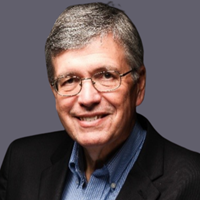 Steven Ferguson currently serves as Special Advisor at the National Institutes of Health (NIH) Office of Technology Transfer, where he has worked since 1990. The biomedical technology transfer program at NIH is one of the world’s largest, with a portfolio that includes over 2,000 active licenses with aggregate sales greater than $10B per year, based upon research that has also generated 53 FDA-approved drugs and vaccines.
A former chemist at the National Cancer Institute and biotech industry product manager, Steven holds an M.B.A. (George Washington University) and M.S. in Chemistry (University of Cincinnati), as well as a B.S. in Chemistry (Case Western Reserve University).
A registered Patent Agent and a Certified Licensing Professional (CLP), Steven has served as faculty and Technology Transfer Department Chair at the Foundation for Advanced Education in the Sciences (FAES) Graduate School at NIH and the Biotechnology Industry Organization “BIO Boot Camp.” He also serves as a business reviewer or advisory board member for the US-India Science & Technology Endowment Fund, Maryland Industrial Partnerships, Maryland Innovation Initiative, Virginia Bio-Life Science Gap Fund, U.S. Department of Education Small Business Innovative Research program, the Licensing Executives Society, the Center for Advancing Innovation, and the Department of Defense Congressionally Directed Medical Research Program.
He has published extensively in the field of technology transfer and has also received the AUTM President’s Award (AUTM Band), the AUTM Volunteer Service Award, the NIH Director’s Award, the FAES Instruction Award, seven “Deal of Distinction” awards, the Frank Barnes Mentoring Award from the Licensing Executive Society, six FLC Awards, and 20 NIH Merit Awards in recognition of his service and activities in technology transfer. Steven currently hosts the Tuesday Licensing Forum online discussion group for the FLC and has served as an FLC Laboratory and Agency Representative. He has also been an FLC Mentor, an FLC Award reviewer, and is a frequent contributor, speaker, and organizer for various FLC webinars, courses, and panels.
Statement of Goals
Greetings, everyone! I am seeking your support and vote to help me bring my 36 years of federal tech transfer experience forward to help our Federal Laboratory Consortium to continue its grow and support your individual tech transfer work and career growth.
To do this, let's plan to:
- Expand our cooperation and collaboration access with programs of interest with kindred organizations such as AUTM and the Licensing Executive Society. As also a long-time member and participant of each, I can help facilitate this.
- Get behind and support the new FLC PRO (Professional Registered ORTA) credential. Unlike other tech transfer credentials, this one is designed with federal tech transfer professional specifically in mind.
- Grow experience and knowledge sharing between individual FLC members and offices. The Tuesday Licensing Forum and the FLC Mentoring Programs are two prime examples of this, but we can do more.
- Leverage FLC platforms more extensively to support marketing efforts of individual labs and lab technologies. Without sports teams and marching bands, our intramural research programs are not as well known to our industry partners as those from our university colleagues. Expanding FLC conference exhibits and support is key to our future success.
C’mon now, let’s get started on this!
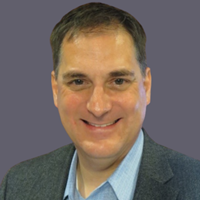 Martin Hindel is a Partnerships Officer in the Technology Partnerships Office (TPO) at the National Institute of Standards and Technology (NIST). He works with NIST’s operating units and external organizations to draft and negotiate cooperative research and development agreements and other technology transfer agreements. Additionally, Martin works with NIST’s operating units to manage their patent portfolios, assists NIST in obtaining patent protection on NIST inventions, and negotiates licenses for NIST technologies with interested license applicants from industry and academia.
Prior to joining TPO in 2021, Martin served for five years as attorney-advisor with the Department of Research Programs at the Walter Reed National Military Medical Center, where he advised hospital leaders on technology transfer, patenting, and licensing matters. Prior to that, Martin served a 25-year career in the U.S. Air Force as a military JAG officer (attorney), serving in a wide variety of legal assignments, including as a legal advisor to the four-star general officer commanding the U.S. European Command and as Deputy Chief Defense Counsel within the Office of Military Commissions, Guantanamo Bay, Cuba, where he managed and mentored a team of military defense attorneys representing detainees at Guantanamo Bay. Martin retired from the U.S. Air Force in 2017 with the rank of Colonel.
Though he serves at NIST in a non-legal capacity, Martin is a licensed patent attorney before the U.S. Patent and Trademark Office. In addition to his law degree, which he earned from the Ohio State University College of Law, Martin holds a B.S. degree in Mechanical Engineering, which he earned from the Ohio State University College of Engineering. Martin is an active member of the FLC, AUTM, and LES. In his spare time, Martin is a beekeeper, a sculptor, and a locally performing musician.
Statement of Goals
I seek to serve on the FLC Board to give back to the Federal tech transfer community and in appreciation for the many educational and networking opportunities FLC has afforded me. I also believe that serving with FLC would further my professional growth and experience. Finally, I would welcome the chance to contribute value and wisdom gleaned from my nine years to date in tech transfer.
 Adam Lucht is the Director of the Office of Research and Technology Applications (ORTA) at United States Cyber Command (USCYBERCOM), where he leads the transition of advanced research into operational capabilities. In this role, Adam oversees a broad portfolio that includes fostering research partnerships with industry and academia, managing Cooperative Research and Development Agreements, and facilitating the transfer of cutting-edge technologies from organizations such as the Defense Advanced Research Projects Agency DARPA and other Department of Defense science and technology agencies.
Adam’s career reflects a deep commitment to technological innovation and national security. He began his professional journey as a System Administrator, developing an early passion for information technology. He then progressed through roles as a Software Developer, Lab Manager, Technical Director, Deputy Division Chief, and Division Chief, building extensive experience in managing complex research initiatives and leading diverse technical teams.
His areas of expertise include cybersecurity, technology transfer, and artificial intelligence — critical domains where his leadership has enabled the rapid deployment of innovative solutions to meet operational demands. Under Adam’s guidance, ORTA has expanded its engagement with both traditional defense contractors and non-traditional partners, ensuring that emerging technologies are effectively integrated into USCYBERCOM’s mission.
Born and raised in the Midwest, Adam credits his upbringing for instilling in him a strong work ethic and a passion for public service. He and his wife reside in Maryland. Outside of his professional commitments, Adam enjoys woodworking, finding satisfaction in crafting furniture and other projects from his workshop.
Statement of Goals
As a dedicated member of the Department of War (DOW) technology transfer community, my primary goal is to empower all federal laboratories to thrive. Having successfully championed the expansion of CRADA partner eligibility in the National Defense Authorization Act for Fiscal Year 2025, section 1705, I have a proven record of driving legislative change. If elected, I will leverage my experience to advocate for the entire T2 community.
I envision the FLC as a powerful catalyst for modernizing technology transfer. I will work to expand laboratory authorities, including expanding Educational Partnership Agreements beyond the Department of War to all federal laboratories, fostering greater collaboration with academia and state and local governments. To enhance our ability to recruit and retain top talent, I will advocate for changes to copyright law that allow government-developed software to be licensed for royalties. Furthermore, I will push for stronger protections for federal laboratories against copyright infringement related to AI training data.
Having established the technology transfer laboratory at U.S. Cyber Command, I am ready to bring that same pioneering spirit to the FLC. The future of federal technology transfer requires a bold, experienced advocate. I urge you to support my candidacy and join me in championing these critical initiatives. By voting for me, you are choosing a future of expanded opportunity and legislative success for every member of our laboratory community.
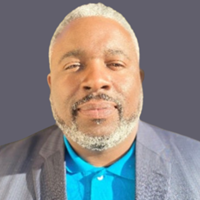 James Mitchell is a registered Patent Attorney and FLC Professional Registered ORTA (PRO™), who has served as the Chief of the Office of Policy and Analysis at the U.S. Geological Survey (USGS). This office acts as the technology transfer office within the USGS. Presently, James is the agency’s sole Intellectual Property Advisor and Patent and Licensing Manager. In these roles, he provides consultations on strategic planning and business development, reviews legal authorities, leads a team in drafting and negotiating agreements, identifies intellectual property and protects it as needed, markets and licenses early-stage technologies to industry, and seeks innovative ways to create partnerships with entities to focus on solutions to problems facing the nation.
James is a graduate from Lincoln University, earning a B.S. in Physics. He is a member of Sigma Pi Sigma, a national physics honor society, and Alpha Phi Alpha, an organization dedicated to scholarship and mentorship. Prior internships included research at the Environmental Protection Agency, the U.S. Department of Agriculture, and Penn State University. After graduating from Lincoln, he began teaching science in the Philadelphia School District and served as a Union Representative. He then became a Patent Examiner with the U.S. Patent and Trademark Office (USPTO). Prior to leaving the USPTO, James worked in various capacities throughout the agency, including the Office of Patent Training, Office of Patent Legal Administration, and the International Patent Legal Administration, while rising through the ranks to become a Supervisory Patent Examiner.
James is a three-time FLC award winner for Rookie of the Year, Impact, and Excellence in Technology Transfer, as well as a regional award winner. For the FLC, he has served as an Agency and Laboratory Representative and assisted in various inter-agency work groups. He has participated in the FLC’s Federal Lab Education Accelerator (FLEX) program, served as a panelist in web events and forums, as a mentor for the FLC mentorship program, and as a trainer for the FLC National Meeting.
Statement of Goals
My achievement goal for Member-at-Large is to work with the FLC to help leverage the collective power of the labs to establish long-term cost-effective resources and programs that will enable all labs, regardless of size, to effectively engage technology. For example, working in committees to push the FLC to acquire marketing tools to help laboratories identify potential licensees and organizational contact information. This would be accessed by the laboratories at no cost or on a sliding fee scale based on the size or funding of a laboratory. Development of business-communication platforms to help federal laboratories identify and address common problems or solutions among each other like use of personnel (like invention evaluation in a unique field) or shared cost in patent portfolio management software. Other examples would be to formalize relationships with large trade associations and build a pipeline to enable laboratories to identify potential collaborators and licensees. This would also serve as an active approach to bring greater awareness to FLC and its federal laboratories capabilities, and drive traffic to FLC resources.
While over the past several years, the FLC has tried various initiatives, many have been too short-lived for the programs to be communicated, nor have they been tried or used by most of the laboratories. My hope is that through my service, I will be a voice that offers sound advice on real solutions that help the agencies' technology transfer efforts. Aside from the website and general announcement, the FLC will be pushed to communicate its opportunities directly with each agency (e.g. through Regional Coordinators) and establish better long-term programs and means to enable the laboratories to equally and more easily engage in technology transfer.
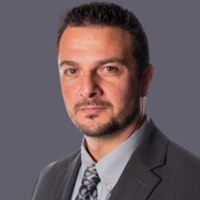 Vladimir Popov, as Chief Innovation Officer, manages and coordinates the Center for Innovation and Strategic Partnerships (CISP). The Center for Innovation facilitates the development of future strategic partnerships and collaborations by fostering purpose-driven innovation and targeted outreach to the cancer research community. Through science and technology, business building, and intellectual property (IP) and licensing programs, the CISP provides a comprehensive and centralized structure equipped to support internal innovation, provide education, identify and execute partnerships, and increase efficiency in providing internal and external support.
His team develops and maintains relationships between the Frederick National Laboratory, the National Cancer Institute, client organizations, and local business communities in Maryland. CISP identifies strategic partnership opportunities capable of addressing important scientific questions and unmet medical needs, handles the evaluation and organization of the national laboratory’s IP portfolio, and actively engages in marketing and licensing efforts.
Prior to this role, Vladimir served as a director of the Partnership Development Office, overseeing partnership development and implementation processes, client relationships, and partnership projects. Before joining the Frederick National Laboratory, Vladimir worked as a manager in the healthcare industry, entrepreneur, and licensing manager. He completed two postdoctoral fellowships at Thomas Jefferson University and the University of Pennsylvania. He holds a Ph.D. in Biochemistry and Molecular Biology from Thomas Jefferson University and a B.S. in Biochemistry from Ramapo College. Vladimir received his M.B.A. at Johns Hopkins University – Carey Business School. He has been heavily involved with the FLC in several capacities over many years.
Statement of Goals
For over seven years, I have actively contributed to the Federal Laboratory Consortium (FLC) through various events and roles. Over the past year and a half, I have served as a Member at Large (MAL) on the FLC Executive Board. Prior to this, I completed two terms as the Mid-Atlantic Regional Coordinator, working alongside Dr. Claudia Haywood, the Deputy Regional Coordinator. Our lab, Frederick National Laboratory for Cancer Research, has been a committed member of the FLC for many years, consistently participating in and supporting FLC events and initiatives.
On behalf of FLC, together with the current Mid-Atlantic Regional Coordinator, Amanda Corbel, we launched the Federal Laboratory Education Accelerator (FLEX) program, which connects numerous federal labs with MBA programs focused on technology commercialization. This initiative has grown into a national program, now collaborating with two dozen federal labs and over a dozen top MBA programs in the country. On average, the FLEX program evaluates over a dozen federal technologies each semester and has already achieved successes, such as the creation of a startup based on federal technology by the University of Maryland.
If given the opportunity to continue as a Member at Large, I plan to continue overseeing the FLEX program, collaborate with relevant stakeholders to expand it, and develop innovative methods to enhance partnership creation and the licensing and commercialization of technologies from federal labs. I believe in FLC's mission and that the FLC is perfectly positioned to support federal labs in maximizing the impact of technology transfer and serves as the premier resource for federal technology transfer.
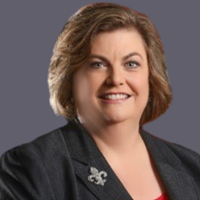 Antisa (Tisa) Webb is the Chief of the Technology, Knowledge, and Outreach Division in the Office of Research and Technology Transfer at U.S. Army Corps of Engineers Research and Development Center (USACE-ERDC). She is responsible for ERDC’s technology transfer program and intellectual portfolio, as well as the lead for technology advancements efforts, including ERDC’s partnership intermediary, ERDCWERX, technology infusion activities, technology demonstration program, improvements to ERDC business processes, and technology transfer processes. She also serves as ERDC’s Knowledge Manager, which includes Discover ERDC, Inside ERDC, and other tools.
Prior to her current position, Tisa served the ERDC Environmental Lab as the Chief of the Ecological Resources Branch for nearly eight years, where she supervised about 30 scientists and engineers with a full range of research, tool development, and support for watershed and ecosystem planning, restoration, stewardship, and natural resources management for USACE, the Army, and the nation. She has 20 years of technical expertise in developing models for environmental benefit assessment on proposed USACE civil works projects nationwide.
Tisa was recognized as the Department of Defense George Linsteadt recipient for Excellence in Technology Transfer in 2023. She was among the first of the Leadership Development
Statement of Goals
My goals for serving as a FLC Member-At-Large Board Member are to build upon enhancing the efficiency and effectiveness of technology transfer (T2). This can be achieved by streamlining the process of moving federal laboratory research to the commercial sector, a core mandate of the FLC since its formal charter by the Federal Technology Transfer Act of 1986.
The current federal climate has a strong emphasis on collaboration, so personally, I’d like to help bolster partnerships between the more than 300 federal laboratories and private industry. This includes creating a more robust infrastructure for education and training in technology transfer for all stakeholders. By providing better tools and services, the FLC can promote the use of federal intellectual property and research facilities by non-federal partners.
Another area for fostering collaboration is across the innovation pipeline. This involves driving technologies that are relevant to the needs of American families and businesses. The FLC is the perfect group to continue developing and testing new transfer methods as well as addressing barriers in the current process.
Finally, a forward-looking goal is to embrace emerging technologies like artificial intelligence. This initiative will help establish best practices for the use of AI models across the scientific and engineering enterprise, accelerating innovation in areas like microelectronics and new energy technologies.
Ultimately, I’d like to serve FLC members to the best of my ability to make the organization stronger for the future.
 Stephen Crutchfield is the Deputy of the Naval Information Warfare Center (NIWC) Pacific Technology Transfer (T2) Office. The NIWC Pacific T2 Office’s mission is to support NIWC Pacific’s mission and carry out T2-related Federal statute and Department of Defense (DoD), Navy, and NIWC Pacific policy through facilitating the transfer of intellectual property, knowledge, equipment, and resources between NIWC Pacific and non-federal entities. The goal of this mission is to improve the value of innovation and creative work accomplished at NIWC Pacific and to benefit the U.S. economy.
To fulfill this mission, Stephen performs functions per U.S. Code and DoD and Navy policy, including participating in regional, state, and local programs designed to facilitate or stimulate the transfer of technology. He facilitates T2 agreements like cooperative research and development agreements (CRADAs), Limited Purpose-CRADAs, patent license agreements, service level agreements, partnership intermediary agreements, and educational partnership agreements. Stephen also assesses lab research and development projects, technologies, and inventions that may have commercial applications. He promotes and markets lab technologies, inventions, products, and services that would benefit state and local government or industry. Stephen provides annual T2 business plans, reports, and other T2 data to the Department of the Navy T2 Program Manager, provides at least two hours of T2, marketing, or other related training to lab personnel every calendar year, and encourages participation in – and promotes the results of – NIWC Pacific T2.
Since his T2 career began in 2009, Stephen has facilitated over 200 T2 agreements. He holds a double B.A. in Communications and Religion from Vanguard University and an M.A. in Television, Film, and New Media Production from San Diego State University. He has participated in and hosted several FLC webinars and was featured on the FLC podcast, The Transfer Files. Since 2024, Stephen has been a member of the FLC Facilitate Committee and as an FLC Mentor. In 2019, he received the FLC Award for T2 Professional of the Year in the Far West Region.
Statement of Goals
I have had the privilege of serving as the Far West Deputy Regional Coordinator these past two years and am excited for the opportunity to serve in a new role as the Far West Regional Coordinator. If elected, I would continue to find ways to help the technology transfer community learn, grow, and thrive, guided by the FLC pillars to promote, educate, and facilitate federal technology transfer. Being in technology transfer for nearly 17 years, I see the benefit in creating spaces where folks can come together to ask questions, share best practices, and sharpen each other. I also see the benefit in equipping technology transfer professionals with tools that increase productivity and save time. While the Far West region consists of labs from several agencies, where technology transfer can differ across agencies and even across labs within the same agency, I would focus on ways we could learn from each other - from sharing our day-to-day administrative approaches, to learning how to communicate effectively with leadership and partners, to discussing how to approach complex negotiations. I would highlight the amazing technology transfer work being done throughout the Far West labs. I would continue relationships with innovation economy organizations to find ways to work together and promote lab technologies, facilities, and services. Ultimately, as the Far West Regional Coordinator, I would see myself as an educational resource, connector, doer, and perhaps most importantly, someone willing to learn something new every day and serve others.
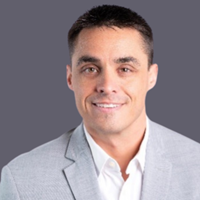 Michael Riccio is a Program Specialist with the NASA Ames Research Center (ARC) Technology Transfer (T2) Office, where he supports both core T2 operations and strategic outreach initiatives. In his operational role, he manages invention disclosures, patenting actions, and licensing activities that help advance NASA innovations from the lab to the marketplace. He also serves as part of the NASA T2X team, leading efforts to expand the agency’s presence within regional and national innovation ecosystems. His outreach work includes building presence with entrepreneurs, intrapreneurs, incubators, accelerators, and universities to promote the use of NASA technologies in economic and societal impact.
After earning his B.B.A. from Georgia State University in 2008, Michael began his federal career with the Department of the Army, where he transitioned from intern to full‑time civil servant supporting training and leader development programs. He later joined the U.S. Forest Service, focusing on human resources operations. In 2015, he accepted a position with NASA’s ARC. Over the years, he supported the ARC Technology Transfer Office as an HR Business Partner, gaining deep familiarity with its mission, before formally joining the team in 2024.
Through the NASA T2X program, Michael has cultivated academic collaborations under the T2U initiative with institutions including the University of Georgia, Kennesaw State University, and Georgia Tech. He has championed the use of NASA technologies in university curriculum and community innovation challenges such as HackATL. He also regularly speaks at regional tech events, coworking spaces, accelerators, incubators, science fairs, and major trade shows to promote the value and accessibility of NASA intellectual property. In 2025, he represented NASA as part of the FLC intra‑agency delegation at CES, an experience that reinforced for him the national reach and importance of the FLC.
Michael has received multiple recognitions throughout his federal career, including the Department of the Army’s Civilian Early Career Achievement Medal for his work on new employee onboarding programs, as well as numerous group achievement and spotlight awards at NASA. The FLC played a formative role in his own development as a technology transfer professional, and he aims to give back by strengthening regional collaboration, supporting effective technology transfer practices, and advancing the strategic goals of both NASA and the FLC.
Statement of Goals
As the FLC Far West Deputy Regional Coordinator, Michael Riccio aims to strengthen regional collaboration, support effective technology transfer, and advance the strategic goals of both NASA and the Federal Laboratory Consortium. Drawing on his experience from the NASA Ames Research Center and his participation in the agency's Technology Transfer Expansion (T2X) program, Michael is committed to helping federal laboratories share best practices, increase engagement, and expand the impact of their technology transfer activities.
Michael will leverage insights gained through T2X to help Far West labs connect with ecosystems of innovation, improve the visibility of available federal technologies, and identify opportunities for cross-lab coordination. By promoting FLC and T2 activities using validated strategies that have enhanced efficiency within NASA, he will work to create a more unified regional approach to technology transfer that benefits both large and emerging labs.
To support more effective technology transition pathways, Michael also plans to expand outreach to incubators, accelerators, venture capital stakeholders, and other key players in the innovation ecosystem. By strengthening these connections, he aims to help Far West laboratories identify commercialization partners earlier, accelerate market adoption, and increase the overall impact and visibility of federal technologies.
Michael's goals center on amplifying the strengths of individual laboratories while advancing the shared mission of the FLC. By fostering collaboration, elevating communication, and applying proven agency-level strategies, he is committed to enhancing the region's operational effectiveness and expanding the economic and societal impact of federal technologies.
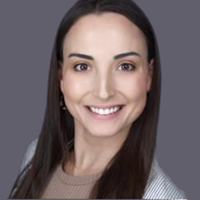 Amanda Corbel is the Senior Manager, Innovation and Partnerships, at the Frederick National Laboratory for Cancer Research (FNLCR), the only national lab exclusively devoted to biomedical research. Within the Center for Innovation and Strategic Partnerships, Amanda supports the FNLCR’s mission to accelerate progress against cancer and AIDS by creating partnerships between the lab’s scientists and external research communities. She also manages programs that aim to advance scientific discoveries and inventions through the development pipeline to derisk and attract technologies for both partnering and licensing.
Amanda has been an active member of the Federal Laboratory Consortium (FLC) since 2020 and was elected Mid-Atlantic Regional Coordinator in 2024. Prior to serving in this role, she supported former Mid-Atlantic Regional Coordinators Vladimir Popov and Claudia Haywood. Through engagement with the federal laboratories across the Mid-Atlantic region, they identified a need for additional resources to support active marketing, licensing, and technology assessment efforts. In response, they launched the Federal Laboratory Education Accelerator (FLEX) program. FLEX fosters collaboration between federal laboratories and MBA programs focused on technology commercialization. Since its launch in 2021, Amanda has led FLEX as program manager, maintaining strong relationships with participating federal laboratory technology transfer professionals and inventors. The initiative has expanded to all FLC regions and has contributed to the formation of a startup based on federal IP.
She holds a B.S. in Biology from Shepherd University and a M.S. in Biotechnology and Business Management from Mount Saint Mary’s University. She is also a certified Project Management Professional. She is currently pursuing her Ph.D. in Biochemistry and Molecular Biology at the University of Miami – Miller School of Medicine.
Statement of Goals
For the past six years, I have been an active member of the Federal Laboratory Consortium (FLC), serving as the Mid-Atlantic Regional Coordinator, supporting previous coordinators, and managing the Federal Laboratory Education Accelerator (FLEX) program. Through this work, I have developed a strong understanding of the diverse needs, strengths, and opportunities within our Mid-Atlantic federal labs.
If reelected, my goal is to build on the strong foundation established during my current term and by my predecessors, while advancing new opportunities for regional growth and collaboration. I will continue to champion the FLEX program, recognizing the significant value it provides to federal laboratories and aspiring entrepreneurs.
I am committed to strengthening awareness of federal technology transfer capabilities throughout the region to cultivate strategic partnerships that accelerate the transition of innovations from the lab to the market. By showcasing the expertise, resources, and technologies within our federal laboratories, we can broaden their reach and amplify their impact.
Another priority is strengthening connections across our regional community by promoting open dialogue, sharing best practices, and increasing engagement, particularly among smaller or newer laboratories that may benefit from deeper integration into the FLC. Additionally, I will continue breaking down barriers to collaboration within our region while strengthening cross-regional partnerships with other coordinators.
It would be an honor to continue serving the Mid-Atlantic region and supporting the FLC mission through another term as Regional Coordinator.
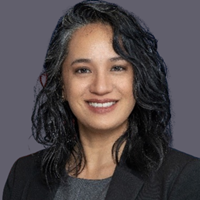 Christie Canaria serves as the Industry Engagement Lead for the National Institute of Standards and Technology (NIST) Technology Partnerships Office (TPO), where she works across federal laboratories, academic institutions, and commercial partners to strengthen pathways for technology adoption, partnership development, and innovation ecosystem growth. Her role supports NIST’s mission to accelerate the transfer of federal research into real-world impact and expand opportunities for collaboration across the national innovation landscape.
Prior to joining TPO, Christie served as Senior Advisor and Associate Director for Commercialization in the NIST CHIPS Research and Development (R&D) Office. She led commercialization strategy, governance development, and ecosystem engagement for a multi-billion-dollar national semiconductor R&D portfolio. Her work included shaping the vision for the National Semiconductor Technology Center, designing cross-agency coordination frameworks, and developing approaches to measure return on investment for federal R&D. These efforts strengthened her commitment to building bridges across agencies and sectors. She carries these experiences forward to the Mid-Atlantic region.
Christie’s career spans federal service and industry. Before entering government, she worked at Illumina during its formative pre- and post-IPO stages, gaining firsthand experience in high-growth biotechnology, product development, and customer-driven innovation. She later held leadership roles at the National Institutes of Health and Lawrence Berkeley National Laboratory, where she advanced technology commercialization, entrepreneurial training, and public-private partnerships.
Christie has been an active member of the Federal Laboratory Consortium, including service as Chair of the Industry Engagement Subcommittee in 2022, where she conducted outreach and public-facing engagement efforts to strengthen connections between federal labs and industry. She holds a Ph.D. from the California Institute of Technology and a B.S. from the University of California, San Diego.
Statement of Goals
I am seeking the role of Deputy Regional Coordinator for the Mid-Atlantic Region because I believe this region is one of the most dynamic and interconnected innovation ecosystems in the country. With its concentration of federal laboratories, universities, industry partners, and mission-driven organizations, the Mid-Atlantic has an outsized opportunity to demonstrate what effective technology transfer and cross-sector collaboration can achieve.
In my role as Industry Engagement Lead for the NIST Technology Partnerships Office, I work directly with federal labs, academic institutions, and commercial partners to strengthen pathways for technology adoption and partnership development. This position provides a natural platform for supporting FLC's mission and for amplifying the work already underway across our region. I also bring forward several years of leadership experience from the CHIPS R&D Office at NIST. There, I helped shape national strategy, governance, and ecosystem engagement for a multi-billion-dollar R&D portfolio. That work deepened my commitment to building bridges across agencies and sectors—an approach I would carry to this role.
As Deputy Regional Coordinator, my goals are to support the Regional Coordinator in continuing the strong foundation already established, expand communication and visibility across our member labs, and help create more opportunities for collaboration, knowledge-sharing, and regional convenings. I am committed to serving reliably, representing the region when needed, and ensuring that Mid-Atlantic perspectives and priorities are well-reflected in FLC's national efforts.
Through this role, I hope to contribute to a vibrant, connected, and high-impact FLC community that strengthens the nation's innovation ecosystem.
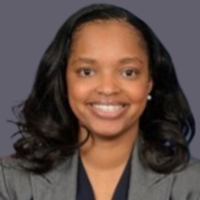 Mia McAllister currently serves as the Interim Program Manager for the FBI’s Office of Research and Technology Application (ORTA). Mia oversees internal ORTA and technology transfer activities in support of the FBI’s research mission. In this role, she manages intellectual property, strategy, and portfolio oversight and leads the development, negotiation, and execution of technology transfer agreements, including Cooperative Research and Development Agreements and Memoranda of Understanding. Mia works closely with scientists, legal counsel, and external partners to facilitate collaborations that advance innovation and ensure compliance with applicable statutes and regulations.
Within the FLC, Mia currently serves on the 2026 FLC National Security Meeting Steering Committee, where she contributes to planning and coordinating programming that brings together federal laboratories, industry, academia, and other stakeholders to advance technology transfer in the national security space. Through this service, Mia has expanded her professional network across the federal innovation ecosystem and supported initiatives that promote cross-agency collaboration and best practices in technology commercialization.
Mia’s professional background reflects a strong interdisciplinary foundation in business and information science. She holds an M.S. in Management Studies from Duke University Fuqua School of Business and a B.S. degree in Information Science from The University of North Carolina at Chapel Hill.
Through her leadership experience, educational background, and active engagement with the FLC community, she remains committed to advancing the mission of the federal technology transfer and strengthening partnerships that move innovation from the laboratory to impact.
Statement of Goals
For the past eight months, I have served as the Interim Program Manager for the FBI's Office of Research Technology and Application. While in this role, I have gained invaluable insight into the technology transfer ecosystem and developed a deeper understanding of the distinct missions and unique needs of the diverse laboratories across the Federal Laboratory Consortium (FLC).
If elected as Deputy Mid-Atlantic Regional Coordinator, my primary goal will be to strengthen engagement, collaboration, and visibility across the region while advancing the broader mission of the FLC.
The Mid-Atlantic region represents a dense concentration of federal laboratories, research institutions, and innovation partners. I would focus on increasing meaningful participation among member labs by promoting best practice sharing, facilitating connections between newer and more experienced technology transfer professionals, and supporting programming that reflects the region's unique national security and research priorities.
I am particularly committed to enhancing cross-agency collaboration and building stronger bridges between laboratories and industry. I would aim to create more opportunities for dialogue, partnership development, and knowledge exchange.
Additionally, I would support efforts to elevate the visibility of the region's success stories, highlighting impactful technology transitions and partnership models that can be replicated across the FLC network. Clear communication and accessibility will be central to my approach, ensuring members feel informed, connected, and supported.
Through my service, I hope the FLC continues to strengthen its role as the premier network for federal technology transfer, fostering innovation, collaboration, and measurable impact across the laboratory system.
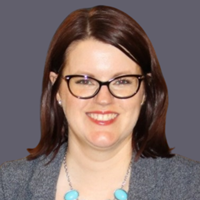 Meghan Sheehan is a technology transfer professional with many years of experience, a Certified Licensing Professional, and a registered patent attorney. Prior to joining the U.S. Environmental Protection Agency (EPA), Meghan held positions in academic and non-profit technology transfer offices and led a technology transitions team at an Air Force Research Laboratory Partner Intermediary and Innovation Institute.
Meghan has been in technology transfer since she first looked for a way to share a new mouse model with other researchers. She is passionate about finding the right partner to help take research innovations forward on the development pathway so they can become fielded products and services that make a difference for the public good.
At the EPA, Meghan is the Acting Program Manager of an ORTA for the entire agency. Her main roles include invention mining and marketing, and sourcing strategic partners for invention development. Additionally, she assists in the creation and negotiation of technology transfer agreements, including Cooperative Research and Development Agreements, Data Use Agreements, Material Transfer Agreements, and Nondisclosure Agreements.
Meghan previously served as an FLC Midwest Deputy Regional Coordinator and is an active member of FLC’s Awards and Facilitate Subcommittees. Additionally, Meghan was active in the Lab to Market’s Tech Transfer Tools and Services subcommittee. Meghan has a B.S. from Calvin College in Grand Rapids, Michigan, and a J.D. from Case Western Reserve University School of Law in Cleveland, Ohio. She registered as a patent agent in 2007 and registered as a Certified Licensing Professional in 2020. Meghan joined the EPA in 2021. She lives in Xenia, Ohio, with her husband and a chronically overweight cat.
Statement of Goals
If elected to the Midwest Regional Coordinator position, my highest priority is increasing awareness of relevant federal technologies among the public. Federal facilities are research powerhouses, producing excellent technologies that not only further their own missions, but are also directly applicable to the needs of the public sector. Yet, many of our partners in the public sector are still unaware of the federal technologies available to them through technology transfer mechanisms. A first approach to changing public knowledge is forging partnerships with regional entrepreneurship and small business development centers, procurement technical assistance centers, and manufacturing extension partners so that their agile, partnership-ready clients learn to turn to federal technologies to bolster their product portfolios. Additionally, I will work to increase FLC's presence at industry and innovation focused conferences and showcases to increase the public sector knowledge base.
My second priority in this position is to support the development of young technology transfer professionals to nurture the next generation of ORTAs. Technology transfer is a profession in change; what was once an accidental role for ORTAs is increasingly one that young professionals choose with great intention. These professionals need education, mentorship, and competent succession planning to help them thrive. A way I plan to help them in their journey is sourcing additional content that can be added to FLC's Learning Center and serving as a mentor in a future FLC Mentorship Program cycle.
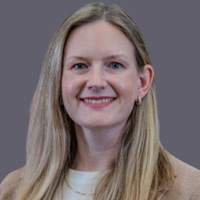 Rebecca Holmes is a Technology Transfer Specialist with the U.S. Department of Veterans Affairs (VA) Technology Transfer Program (TTP), where she manages the technology transfer portfolio for VA medical centers and affiliates in Illinois and Wisconsin. Her work spans the full technology transfer lifecycle, including invention disclosure intake, intellectual property evaluation, drafting and managing license agreements, cooperative research and development agreements, material transfer agreements, and confidentiality agreements, and coordinating with inventors, academic affiliates, outside counsel, and VA’s Office of General Counsel. Rebecca also develops tools and leads initiatives that streamline the VA’s internal processes — most recently, she created a system that automates the invention evaluation and determination of rights workflow, reducing delays and easing administrative burden.
Rebecca is also involved in three working groups within the VA TTP. She supports the Visibility Working Group, is part of the Education Team, and leads the AI Working Group. Rebecca holds a Ph.D. in Molecular and Cellular Biology from the University of Glasgow, Scotland, as well as a B.S. in the same field. She has also completed professional training in project management and business leadership through Northwestern University and the Kellogg School of Management.
While Rebecca has not previously held positions within the FLC, she has been doing work that aligns closely with FLC’s mission of improving visibility, strengthening education, and finding better ways to support technology transfer across a diverse set of stakeholders.
Statement of Goals
As Deputy Regional Coordinator, I want to continue building stronger collaboration across our region and help make technology transfer more visible, accessible, and easier for people to engage with. I'm especially interested in creating practical ways for our community to use FLC's resources and in highlighting the real impact federal technology transfer has on the communities we serve.
In my current role, I'm involved in three working groups that tie directly into FLC's mission. Through the Visibility Working Group, I've focused on improving how we communicate our programs and services, so stakeholders have a clearer understanding of the opportunities available. This work has reinforced for me how important consistent, straightforward communication is.
On the Education Team, I help develop training that not only explains responsibilities but also shows how technology transfer supports innovation. I'm a strong believer in education that's clear, relevant, and easy to put into practice—an approach I'd carry forward within FLC.
I also lead the AI Working Group, where we explore how technology can support our mission. One project I'm especially proud of is a tool I developed using AI that automates the invention evaluation and determination of rights process at the VA. It saves significant time for my team, and once created, it doesn't require AI to run.
If elected, I hope to help FLC increase engagement, build stronger partnerships, and find creative ways to make AI work for us and make our mission even more impactful.
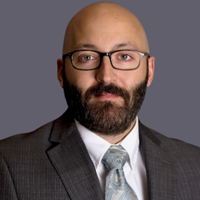 Joshua Laravie is the Lead Technology Transfer Specialist, Office of Research and Technology Applications (ORTA), for the Aerospace Systems Directorate in the Air Force Research Laboratory. He currently collaborates with stakeholders to provide mission support for the Directorate in the areas of technology transfer (T2), intellectual property (IP), and domestic partnering.
He explores, recommends, and supports new and existing T2 and partnering program initiatives. Joshua also acts as Subject Matter Expert to solve T2 problems and evolving mission requirements, and provides patent portfolio management for license applications and commercialization plans, negotiates patent license agreements, and manages technical and financial compliance. This includes advising on, developing, negotiating, modifying, and managing intellectual property and T2 instruments, such as Patent License Agreements, Software Licenses, Educational Partnerships, Commercial Test Agreements, Information Transfer Agreements, and Cooperative Research and Development Agreements. He also handles the process of capturing and protecting IP, helping to identify and transition technical solutions, and enabling partnerships in support of the Directorate’s mission.
Joshua holds an MBA and has 10 years of program and laboratory management experience. He has more than 10 years of experience in customer relationship management and general business experience. He has co-facilitated T2 IP commercialization and marketing trainings at two FLC National Meetings.
Statement of Goals
As Deputy Regional Coordinator for the Midwest Region, I plan to support the Regional Coordinator in all efforts to advance awareness and utilization of Technology Transfer. I will bring passion and dedication to the Technology Transfer community and work diligently to continue voicing my support for the mission of the Federal Lab Consortium. Within the Midwest Region, I hope to expand the connection between regional members, and learn what efforts are needed to enhance their mission. In addition, I hope to learn more about these members, but also about the FLC and its operations. A measure of success would be that more regional members take advantage of the services offered by FLC, new opportunities can be identified, and that the value the FLC brings is more widely recognized, even beyond its immediate membership.